Leadership Development
Developing the awareness, judgement, and emotional intelligence needed to work with complexity, tension, and emerging potential.
 Start a conversation
Circularity One
Circularity One works with visionary business and community leaders who sense that more is possible. Together, we surface unseen patterns and help emerging potential take practical form.
Organizations are more than structures for coordinating work. They are places where people learn how to relate, work through difference, share power, and participate in something larger than themselves.
Every organization has a visible structure: its roles, stated values, and decision processes. It also has a less-visible life shaped by relationships, history, unspoken tensions, and informal authority. This is often where decisions really get shaped.
What operates beneath the surface cannot be separated from the structures we create. This is where soul and systems meet. Lasting transformation asks us to develop people, relationships, and structures together.
Organizations are also building blocks of our economic and community systems. How they bring leadership, ownership, investment, and purpose into relationship shapes how value and power move through the communities around them.
Developing the awareness, judgement, and emotional intelligence needed to work with complexity, tension, and emerging potential.
Aligning people, structures, governance, and financial realities into relationship with organizational potential.
Helping people and institutions work across boundaries to develop community initiatives and viable models for collective benefit.
Bringing the whole person, group, organization, and system into view.
Gathering in ways that deepen listening, share voice, and unlock innovation.
Distributing authority and responsibility through clear roles, consent, and feedback.
Connecting participation with ownership, enterprise, and shared purpose.
Attend to leadership, relationships, organizational structures, and operational and financial realities. Develop a shared understanding of purpose, what matters now, and the potential beginning to emerge.
Bring unspoken tensions, informal authority, recurring patterns, and competing needs into a form that can be understood and worked with.
Shape emerging potential into an adaptive path forward, supported by viable business models, organizational structures, governance, and practical action.

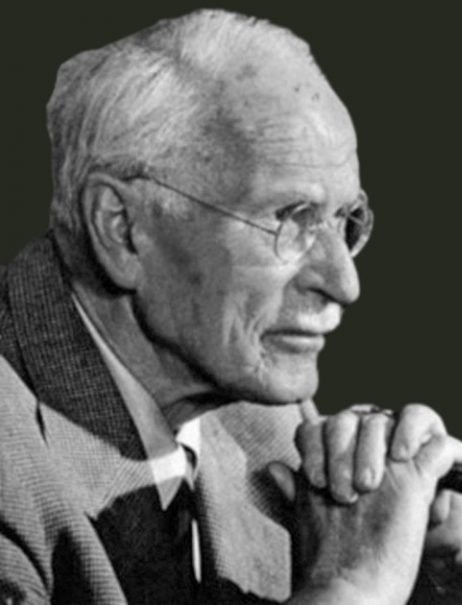
“When an inner situation is not made conscious, it happens outside, as fate.”
C.G. Jung, CW 9iiThe same is true of our organizations and community systems.
Okanagan Circular Society is a community-systems application of Circularity One’s work. Through its Community Enterprise Framework, participation, enterprise, shared ownership, investment, and community benefit are brought together in one practical model.
Community Solar is the framework’s first funded application, moving from community dialogue and collaborative design through feasibility, financial modelling, partnerships, and implementation.
Explore Okanagan Circular SocietyDownload the feasibility study
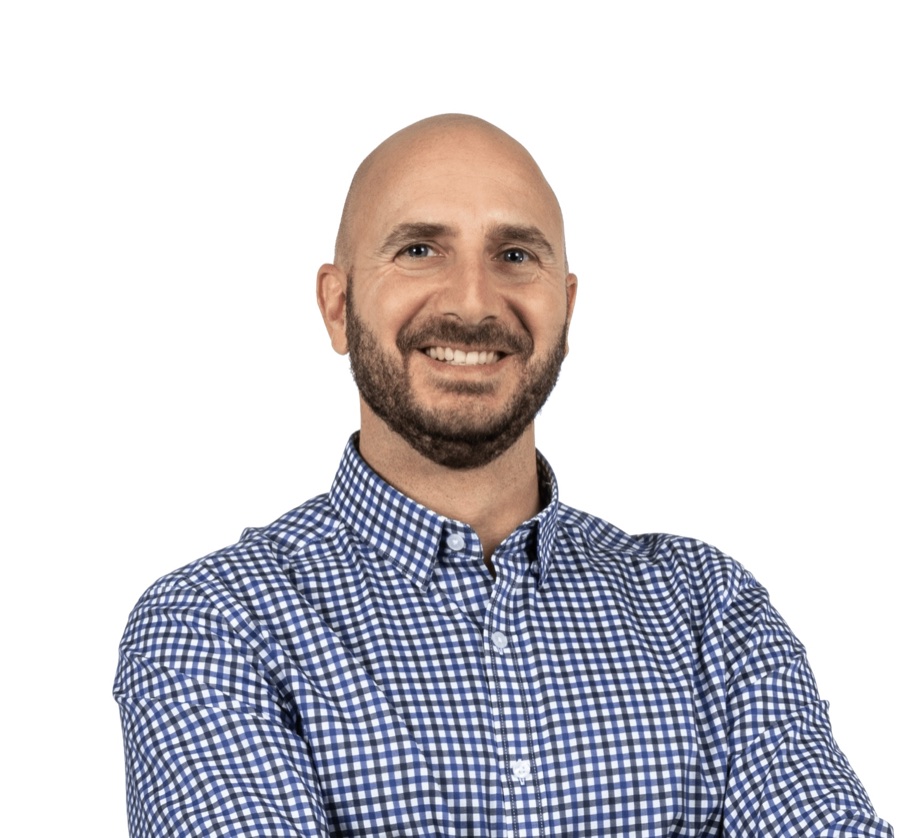
His ongoing research explores how inner development and systems change can support greater wholeness in leadership, organizations, and communities. His applied work includes the Community Enterprise Framework developed through the Okanagan Circular Society, Community Solar, leadership development, and collaborative approaches to governance and ownership.
Shane’s training in community depth psychology brings attention to what is operating beneath the visible life of organizations and communities: recurring patterns, unspoken tensions, inherited histories, and possibilities that have not yet found form. This depth-informed perspective is brought into relationship with practical organizational, financial, and systems work.

Within Circularity One, Denise contributes to leadership development, facilitation, learning design, and the connection between emotional intelligence and organizational capacity.
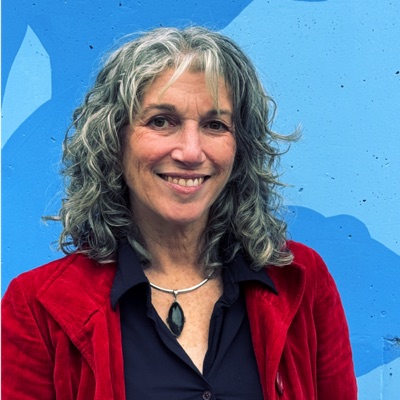
Within Circularity One, Barri contributes to organizational transformation, financial and structural design, and the integration of people, purpose, and performance.
Follow the inquiry
Circularity One follows an ongoing inquiry into psyche, systems, leadership, AI, circle, governance, and community. Subscribe for occasional writing, videos, and field notes as the work develops.
Occasional updates from Circularity One. Unsubscribe at any time.
Start the conversation
A tension. A possibility. A sense that the current way of working is no longer enough for what wants to happen next.
Let’s explore where the work could begin.
Start a conversation